
Writing.
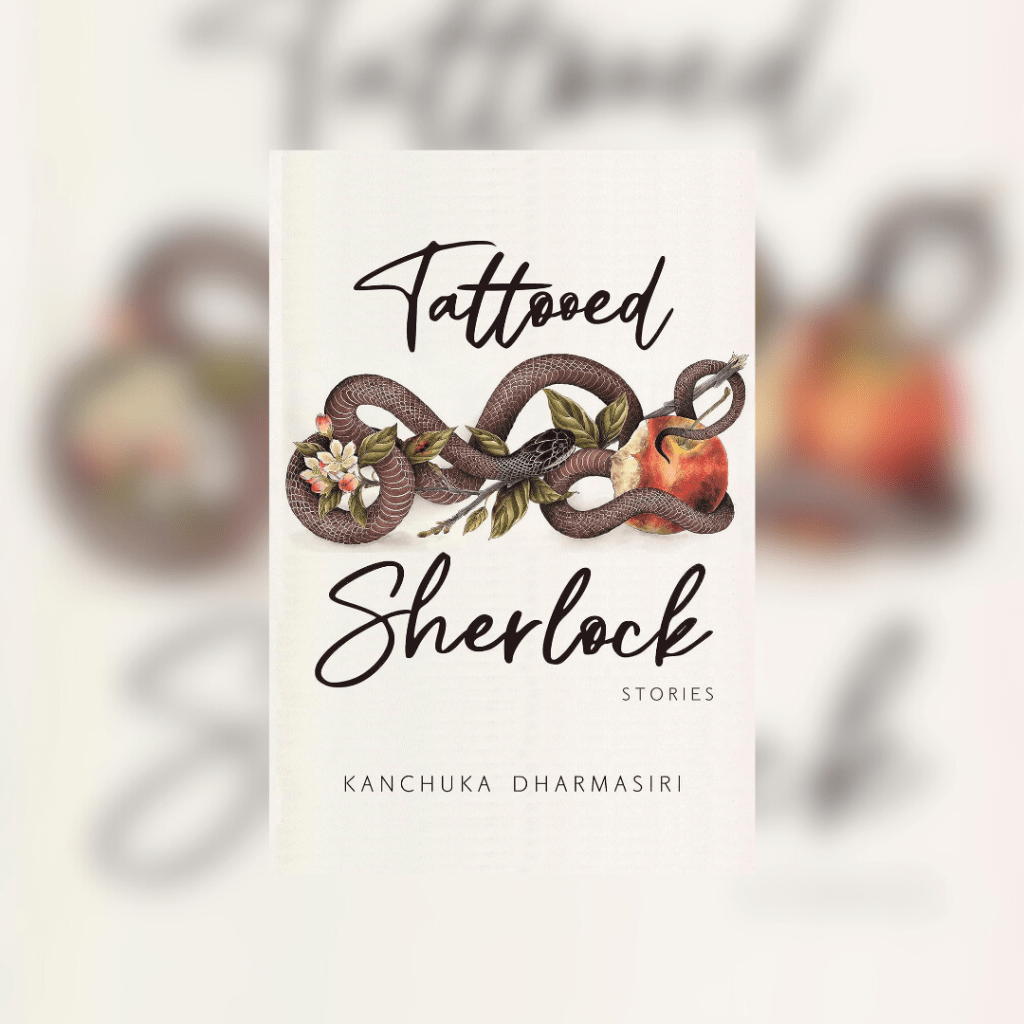
Tattooed Sherlock
A drug-smuggling cat, an apocalyptic ice storm, a gargantuan Barbie doll in the sky, policemen wielding syringes, and other fabular images frame these stories of lovers in Edenic settings, scholars at loggerheads, dubious soulmates, ominous perils, young families, and old friends. In her astonishing debut collection, Kanchuka Dharmasiri conjures worlds both intimately familiar and eloquently strange.
Set in the time of the global pandemic, these stories capture often-overlooked realities exposed when life is knocked off-kilter by crisis. From Kandy to Colombo, from California to New England, many of the stories in Tattooed Sherlock feature women—academics, journalists, lovers, mothers—whose perspectives cast a sardonic light on the men who attempt to seduce or hold authority over them, and through whose eyes we discover the enchantments of the world.
In narratives as oneiric as Haruki Murakami, absurdist as Eugène Ionesco, and darkly funny as Franz Kafka, Dharmasiri brings her own supple intellect, mordant wit, and tender insight to these tales of everyday lives in extraordinary times.
-Daniel Pope
University of Massachusetts Amherst
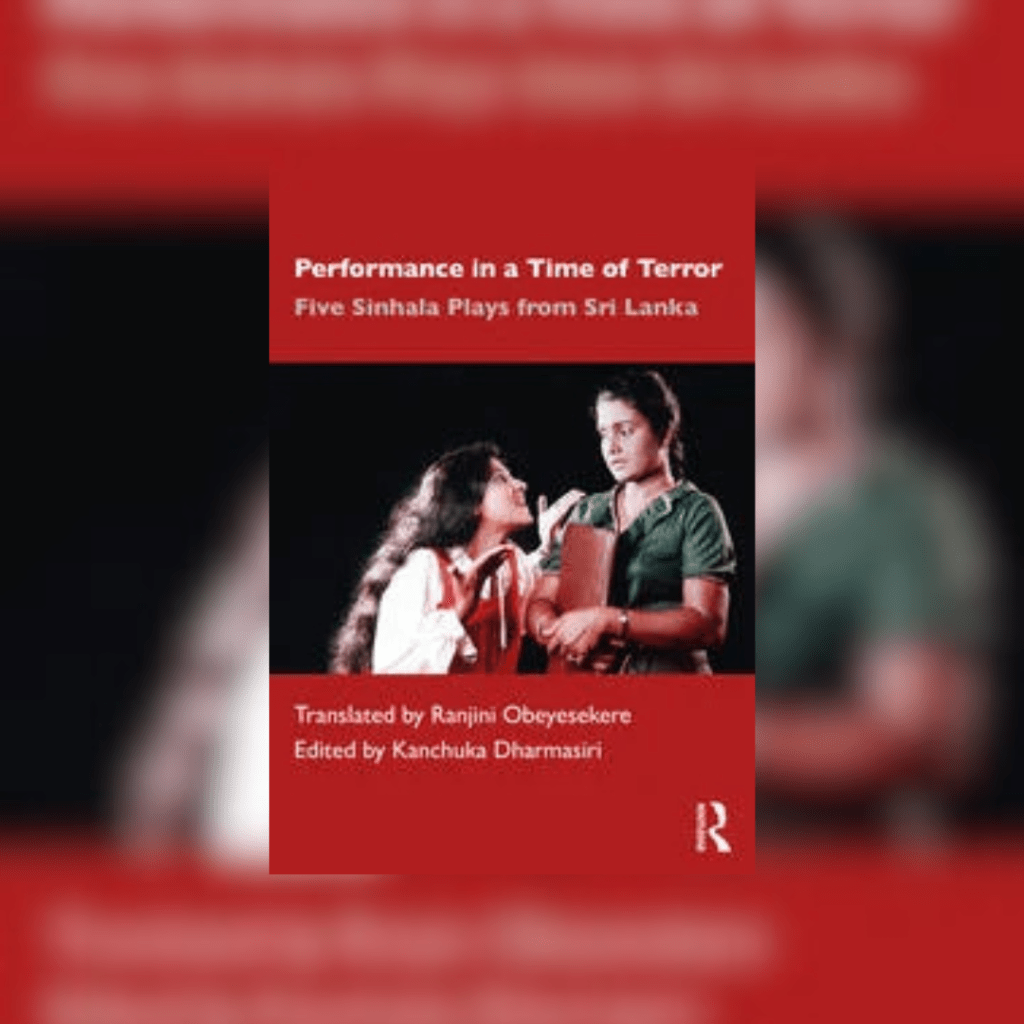
Performance in a time of Terror
Translating plays poses particular challenges to the translator because she has to imagine a number of semiotic systems that are not present on the page; she has to consider all the other significations that come into play outside of the linguistic text.
The translator has to visualize the performance and think of the way in which language, which is only one component of the theatrical text, functions within a larger system. Since Ranjini Obeyesekere has been actively engaged in theater as a director, translator and actor, it is with an awareness of the complexities in theater translation that she approaches these texts.
The five plays in this collection are different in tone, style and language. Obeyesekere has managed to capture these differences in her excellent translations. She has given them life in another language and hence in other spaces, times and realities.
The five plays in this collection are different in tone, style and language. Obeyesekere has managed to capture these differences in her excellent translations. She has given them life in another language and hence in other spaces, times and realities.
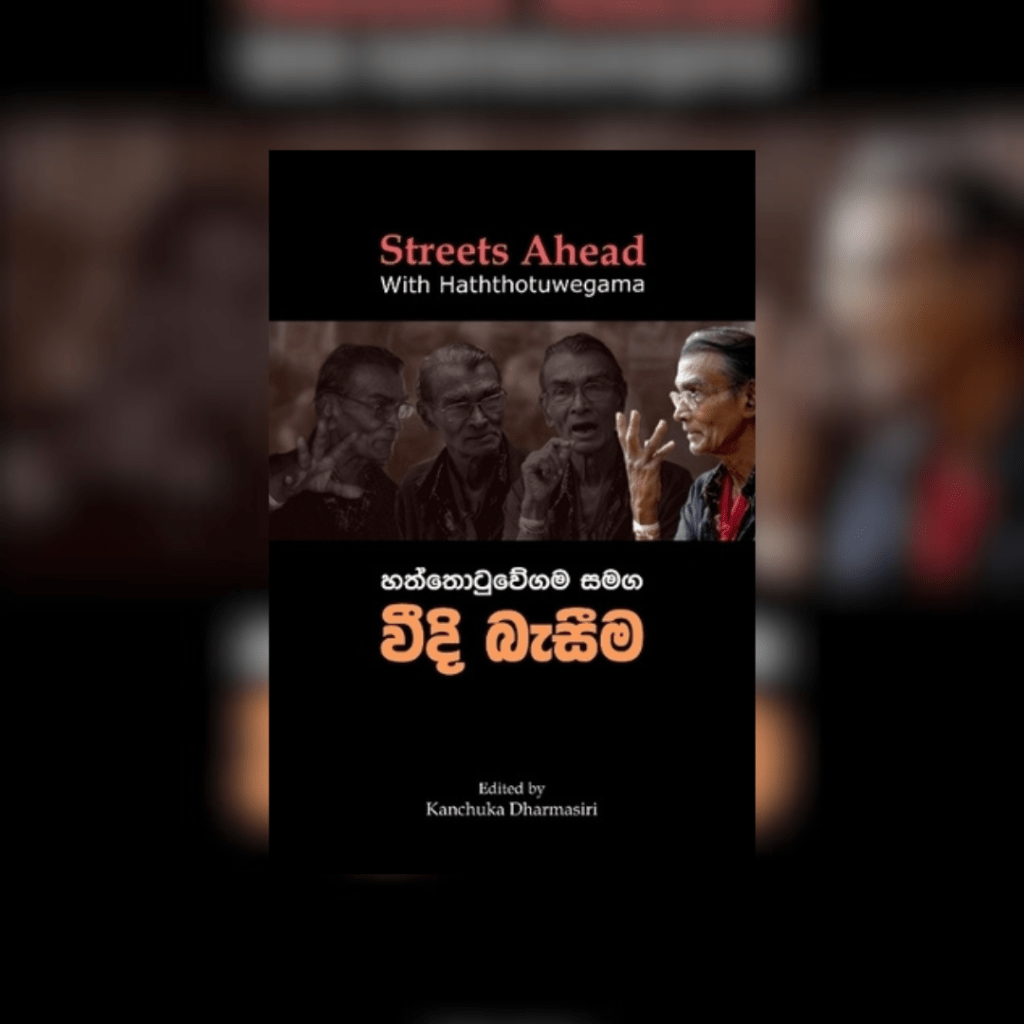
Streets Ahead with Haththotuwegama
Streets Ahead with Haththotuwegama is a collection of Gamini Haththotuwegama’s writings on theatre, cinema and culture alongside articles about his work. The book also features an interview with Haththotuwegama, as well as scripts and songs from the Wayside and Open Theatre group, the first political street theatre group in Sri Lanka.
Excerpt from the introduction:
O WILD West Wind, thou breath of Autumn’s being
Thou from whose unseen presence the leaves dead
Are driven like ghosts from an enchanter fleeing,
When Gamini Haththotuwegama breezed into the lecture room and recited Percy Bysshe Shelley’s “Ode to the West Wind,” we first-year students at the University of Peradeniya were mesmerized by the passion and vigour in his voice. Later, he tried to get us to see not only the revolutionary potential of the poem, but the poet’s mastery of language as well, pointing out lines such as “Lulled by the coils of his crystalline streams.” Dressed in his usual black shirt, half unbuttoned, the necklace with a pendant of a clenched fist visible around his neck, he was quite the radical lecturer in the Department of English.
He asked difficult questions and made students think differently; to borrow Shelley’s words, he tried to drive away dead leaves. Haththotuwegama fostered in his students a passion for the subjects he taught, be it Shakespeare, romantic poetry, twentieth-century American drama, Brecht or Sarachchandra. Whether he was reciting Shelley’s “Ode,” Hamlet’s Soliloquy, “to be or not to be,” or reading a passage from Amiri Baraka’s Dutchman, Haththotuwegama zealously conveyed the vibrancy and dynamism of the text to his students. When he sang “gal lena bindala” from Ediriweera Sarachchandra’s Sinhabahu, the walls trembled and so did we; the Lion’s agony was tangible in his rendition.
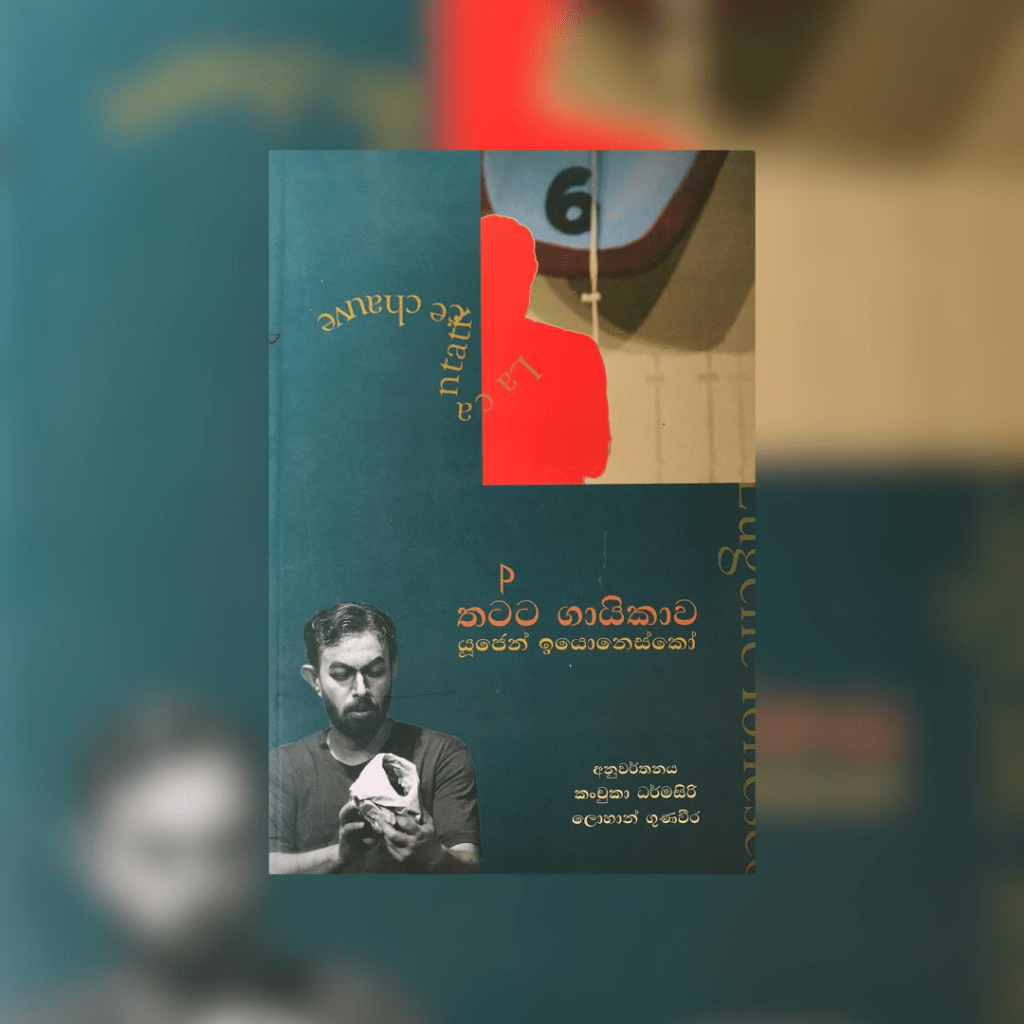
Thatta Gaayikaawa
Best Translated play script: State Literary Festival, 2018A Translation of Eugène Ionesco’s La Cantatrice Chauve/The Bald Soprano (co-translator: Lohan Gunaweera). The book won the State Literary Award for the best Translated play script in 2018.
රංග කලාව පරිවර්තනය කිරීම තල ගණනාවක් ඔස්සේ දිවෙන අභියෝගාත්මක ක්රියාවලියක්. නාට්ය පිටපතක් නිෂ්පාදනයක ස්වරූපයෙන් වේදිකාවක මතට ගෙන ඒම සංකීර්ණ වැඩක්. උදාහරණයක් වශයෙන් අධ්යක්ෂිකාවක් මේ වගේ රංග විධානයක් සම්බන්ධයෙන් ගන්න ක්රියාමාර්ගය මොකක්ද?” ඔහු එක්කෝ ඇයව සිපගනී. නැතහොත් සිප නොගනී.” නැතහොත් “ඔරලෝසුවේ 7 වදී. නිශ්ශබ්දතාව. ඔරලෝසුව නාද නො වේ.” ඒ නිසා ලිඛිත පිටපත රඟදැක්වීමේ දී අර්ථකථනය හා පරිවර්තනය පිළිබඳ වැඩිදුරටත් සංකීර්ණ ගැටලු පැන නඟිනවා.
 kanchukadharmasiri.info